Runholdy: The Art-Deco Blackletter Font for Modern Design
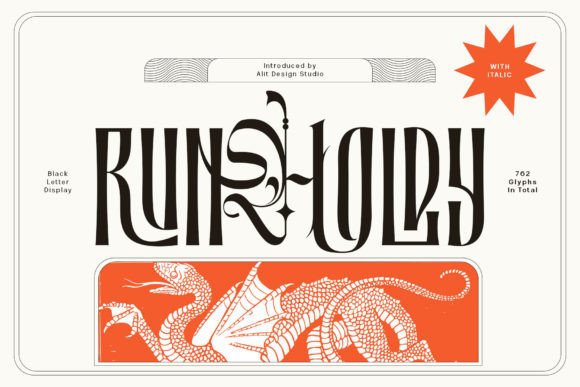
In the crowded landscape of digital typography, finding a typeface that commands immediate attention while balancing historical gravitas with contemporary flair is a rare discovery. Runholdy is exactly that—a stunning Art-Deco-inspired blackletter font that exudes sophistication and elegance. With its clean, sharp lines and bold, geometric shapes, this font is perfect for creating designs that demand attention. Its unique style blends classic blackletter elements with Art Deco flair, resulting in a font that is both timeless and modern, offering graphic designers a powerful tool for visual design and brand identity.
The Intersection of History and Modern Aesthetics
Typography is the voice of a brand, and choosing the right typeface is critical for effective communication. Runholdy addresses a specific need in the design world: the desire for "Old English" or Gothic influences without the illegibility often associated with traditional blackletter scripts. By incorporating Art Deco geometry, Runholdy maintains the structural integrity and readability required for modern digital marketing while preserving a vintage, luxurious vibe. This makes it an exceptional choice for projects that aim to convey heritage, exclusivity, or high-end craftsmanship.
Practical Applications for Creative Assets
The versatility of Runholdy allows it to shine across various creative projects. When selecting creative assets, versatility is key to maximizing your return on investment. Here is how Runholdy can elevate specific areas of your design workflow:
- Branding and Logo Design: For brands in the fashion, jewelry, or luxury goods sectors, Runholdy offers a distinct logo mark that separates them from competitors using generic sans-serifs. It communicates authority and style instantly.
- Social Media Graphics: In the fast-paced world of social media, stopping the scroll is essential. Using Runholdy for headlines in Instagram posts or YouTube thumbnails creates a strong visual hierarchy that draws the eye.
- Editorial Design and Web Design: While primarily a display font, Runholdy is excellent for drop caps or pull quotes in magazine layouts and blog headers. It adds a layer of artistic flair to UI design when used sparingly on hero sections.
- Packaging Design: Product packaging relies on shelf appeal. Runholdy’s sharp geometry translates beautifully to print, making it ideal for labels on craft spirits, boutique cosmetics, or artisanal goods.
- Merchandise: Due to its bold nature, this font works exceptionally well on apparel, tote bags, and posters where print design needs to be impactful from a distance.
Integrating Runholdy into Your Design System
To use Runholdy effectively, one must understand the principles of typography and composition. Because it is a bold display typeface, it pairs best with clean, simple sans-serif or serif fonts for body copy to ensure readability.
Tips for Effective Implementation
- Contrast is Key: Pair Runholdy with a minimalist font like Helvetica or Open Sans. This contrast ensures the user experience (UX) remains positive, preventing the design from feeling cluttered.
- Color Palette: Leverage a color palette that complements the font’s mood. Metallics (gold, silver), deep blacks, and crisp whites often work best to highlight the Art Deco inspiration.
- Spacing and Leading: Blackletter fonts often benefit from generous letter-spacing (tracking) to allow the intricate details of the characters to breathe. Ensure your visual hierarchy is clear by sizing the font large enough to be legible.
Ultimately, the success of any creative project relies on the harmony of its elements. By choosing a typeface like Runholdy, you are not just selecting letters; you are investing in a mood and a message. Whether you are working on a web design overhaul, a new advertising campaign, or a professional presentation, integrating high-quality typography ensures your work looks polished, intentional, and professional. Thoughtful design choices bridge the gap between a brand and its audience, turning simple content into compelling visual stories.